Osteopathic Principles: The 5 Diaphragm
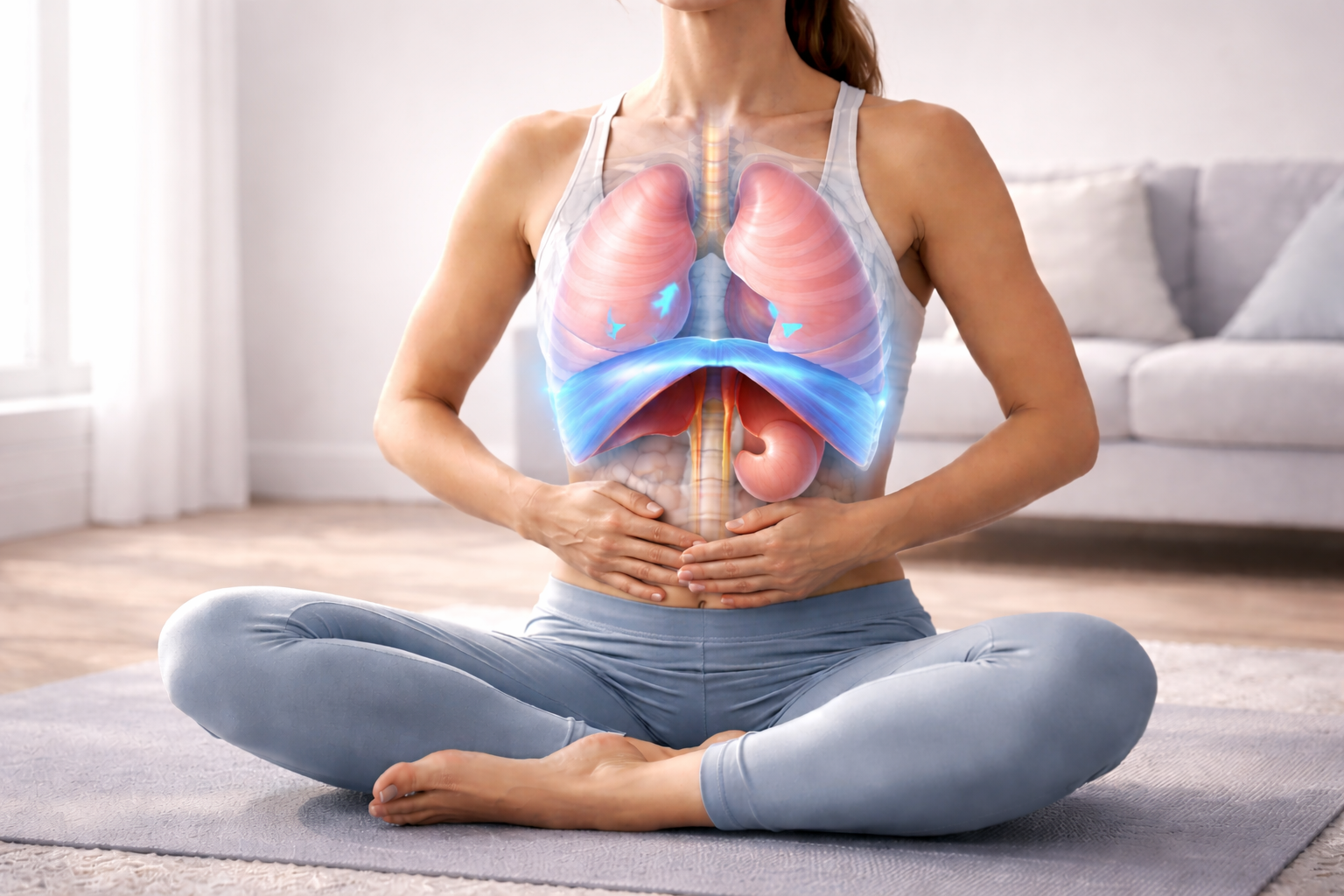
When you visit an Osteopath, treatment isn’t just about the area that hurts — it’s about how your whole body works together. One helpful way osteopaths understand this is through something called the “five diaphragms.”
This doesn’t just refer to the diaphragm itself - the breathing muscle you may have heard of. In Osteopathy, the “five diaphragms” are five important layers in your body that sit across it like horizontal shelves. These areas help with movement, breathing, circulation, and how different parts of your body communicate with each other.
The five diaphragms include:
The base of the skull
The area under the jaw and top of the neck
The top of the chest (near the collarbones)
The main breathing muscle (the diaphragm)
The pelvic floor
Each of these areas plays an important role in helping fluids like blood and lymph move around your body, as well as allowing your body to move freely and comfortably.
If one of these areas becomes tight or restricted, it can affect other parts of your body. For example, tightness at the top of your chest might affect your breathing, posture, or even contribute to neck or back pain. In the same way, tension in your pelvic floor or diaphragm can place extra strain on your lower back.
When osteopaths use this approach, they assess how well each of these key areas is moving. Instead of focusing only on where you feel pain, they look for the underlying cause — which may be somewhere else entirely.
Treatment is usually gentle and hands-on, using techniques to release tension, improve movement, and help your body function more smoothly. By improving how these five key areas work together, osteopaths aim to support your body’s natural ability to heal and stay balanced.
The five diaphragm approach helps ensure your body is moving, breathing, and functioning as well as it can — not just in one spot, but as a whole.