Understanding Different Types of Headaches
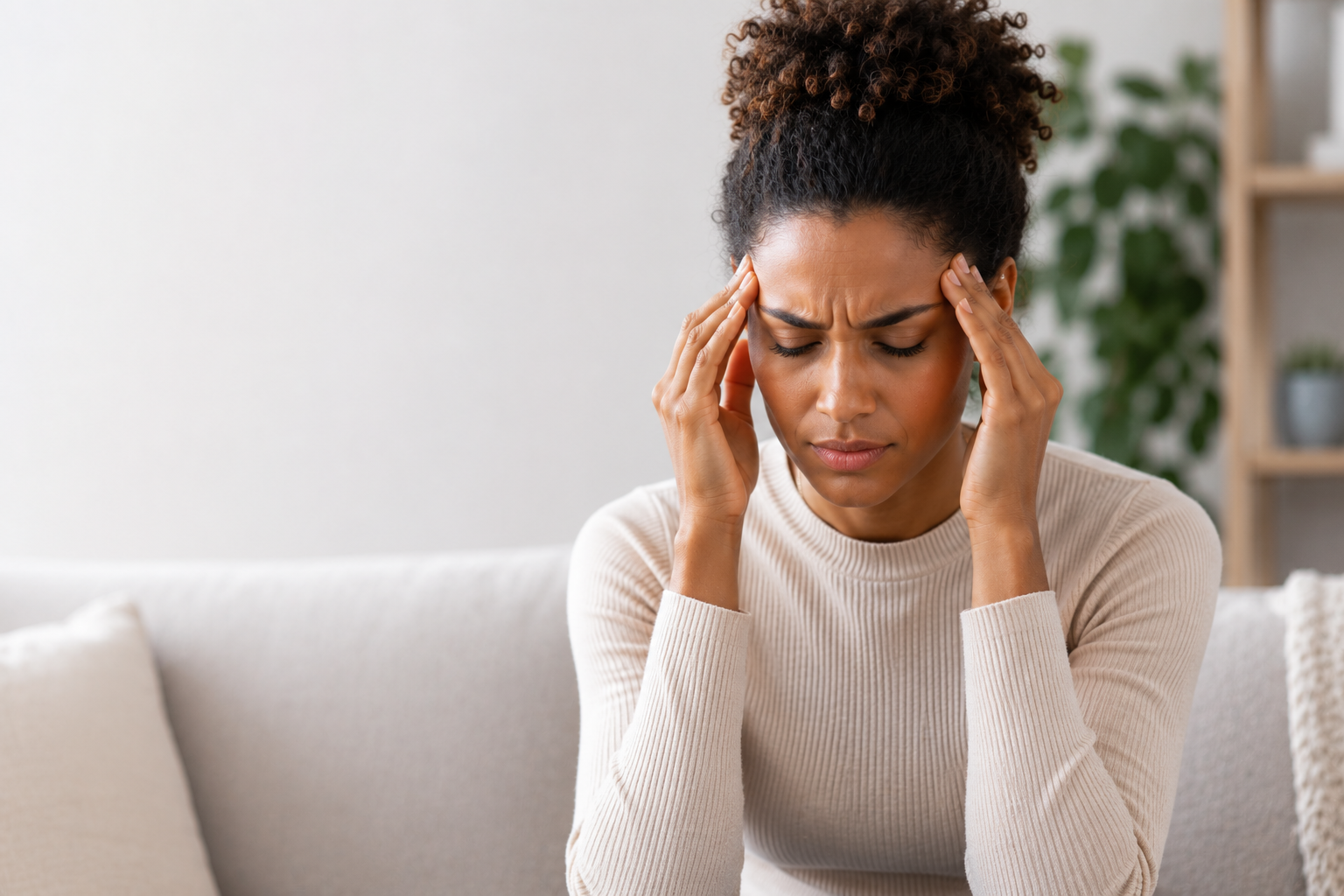
Headaches are one of the most common health complaints, but not all headaches are the same. Different types of headaches have different causes, symptoms, and treatment approaches. Understanding what type of headache you’re experiencing can help you manage symptoms more effectively and know when to seek professional help.
It’s worth mentioning that sometimes a headache pattern doesn’t fit a specific type as listed below, but knowing the difference between headache patterns can help to determine the cause to more effectively manage your symptoms.
Tension Headaches
Tension headaches are the most common form of headache and are often described as a dull ache or tight band around the head.
Common Causes
Stress and tension
Poor posture
Muscle tightness in the neck and shoulders
Fatigue or lack of sleep
Symptoms
Dull, aching pain on both sides of the head
Tightness around the forehead or temples
Neck and shoulder tension
Treatment
Stress management, improving posture, stretching, osteopathic therapy, and regular movement can help reduce tension headaches. Over-the-counter pain relief may also provide short-term relief. Osteopathic are fantastic at managing tension headaches and can help you implement strategies to improve the above factors.
Cervicogenic Headaches
Cervicogenic headaches are headaches that originate from the neck. Unlike migraines or sinus headaches, the source of pain is typically dysfunction in the joints, muscles, or nerves of the cervical spine (neck), with pain referred into the head. They are also commonly one sided, vs the more common widespread tension patterns.
Similar to tension headaches, these headaches are commonly linked to poor posture, prolonged desk work, neck stiffness, previous injury, or muscle tension around the upper neck and shoulders.
Common Causes
Neck joint irritation or stiffness
Poor posture or prolonged sitting
Whiplash or previous neck injuries
Muscle tightness in the upper neck and shoulders
Reduced neck mobility
Symptoms
Pain that starts in the neck and travels/wraps into the head
Headaches typically felt on one side
Reduced neck movement or stiffness
Pain around the base of the skull, temples, or behind the eyes
Headaches aggravated by prolonged sitting or certain neck positions
Cervicogenic headaches can present with or without neck pain. Sometimes they will co-present with the neck feeling “out”. Osteopaths can help to relieve these headaches by treating the neck to mobilise these joints to help relieve the headache.
Cluster Headaches
Cluster headaches are rare but extremely painful headaches that occur in cycles or “clusters.” They often happen suddenly and can wake people during the night.
Common Causes
The exact cause is unknown, though they are linked to changes in the brain’s hypothalamus and are more common in smokers.
Symptoms
Severe pain around one eye
Red or watery eye
Nasal congestion on one side
Restlessness or agitation
Treatment
Medical management is important and may include oxygen therapy, prescription medication, and preventative treatment strategies.
Sinus Headaches
Sinus headaches occur when the sinuses become inflamed due to infection, allergies, or congestion.
Common Causes
Sinus infections
Allergies
Colds or upper respiratory infections
Symptoms
Pressure around the eyes, cheeks, and forehead
Nasal congestion
Runny nose or thick nasal discharge
Facial tenderness
Treatment
Managing the underlying sinus issue with hydration, saline rinses, decongestants, or medical treatment can help relieve symptoms. Osteopathic treatment can help to release off the muscles through the head, neck, upper back and thoracic outlet which can aide in the body in being able to drain the sinuses
Hormonal Headaches
Hormonal headaches are commonly linked to fluctuations in hormone levels, particularly in women.
Common Causes
Menstruation and ovulation
Pregnancy
Menopause
Hormonal changes affecting estrogen levels
Symptoms
Throbbing headache pain
Nausea
Sensitivity to light or sound
Treatment
Lifestyle management, hydration, sleep, and medical support may help manage hormonal headaches. Osteopaths will often utilise treatment techniques in conjunction with considerations to impacts and restrictions related to hormonal symptoms. It is important to mange these patients in connection with their GP for the best clinical outcomes.
Exertion Headaches
Exertion headaches occur during or after physical activity, and may also relate to dehydration.
Common Causes
Intense exercise
Heavy lifting
Sudden physical strain
Symptoms
Pulsing or throbbing pain
Pain during or after activity
Often felt at the back of the head or temples
Treatment
Rest, hydration, and gradually building exercise tolerance can help reduce exertion headaches. An osteopath can help you adjust your training load and provide an exercise program for a more sustainable approach to progressive loading.
Thunderclap Headaches
Thunderclap headaches are sudden, severe headaches that reach maximum intensity within moments.
Symptoms
Sudden, intense pain
Nausea or vomiting
Vision changes
Weakness or confusion
Important
Thunderclap headaches require urgent medical attention, as they can indicate serious conditions such as bleeding in the brain or stroke. If you believe you could be suffering from a thunderclap headache call 000 immediately.
When Should You Seek Help?
If your headaches are becoming more frequent, severe, or are affecting your daily life, it’s important to seek professional advice. Identifying the underlying cause is the first step toward effective treatment.
At Elevate Osteopathy, we take a holistic approach to headache management. By assessing posture, movement patterns, stress, lifestyle factors, and muscular tension, we help identify the root cause of your headaches and create personalised treatment plans aimed at long-term relief.
If headaches are impacting your quality of life, our team is here to help you move toward lasting improvement.