Osteo, Physio, Chiro - Where Does Osteopathy Fit?
Osteo, Physio, Chiro. Same, same but different, right? Wrong.
Osteopaths, physiotherapists, chiropractors share some similarities. They all fall under the allied health umbrella, are university qualified, are AHPRA registered and use hands-on care to assist patients with musculoskeletal injuries. .
Many people have had exposure to physiotherapists and chiropractors but often have never seen osteopath. Why is that? Osteopathy is relatively unknown due there only being approximately 3.600 registered osteopaths in the country representing just 0.4% of Australia’s allied health workforce. In Western Australia, it’s even more niche with less than 100 osteopaths in the whole state.
Like physiotherapists and chiropractors, osteopaths have undertaken extensive tertiary training in order to become qualified and registered with AHPRA (Australia Health Practitioner Regulatory Agency). Osteopaths will either have to have obtained a masters qualification or a double degree. By the time you see an osteopath they have undertaken 4-5 years of formal university training, completed mandatory practical hours with real patients and passed comprehensive clinical examinations.
Why choose an osteopath?
Osteopaths are masters of hands-on treatment.
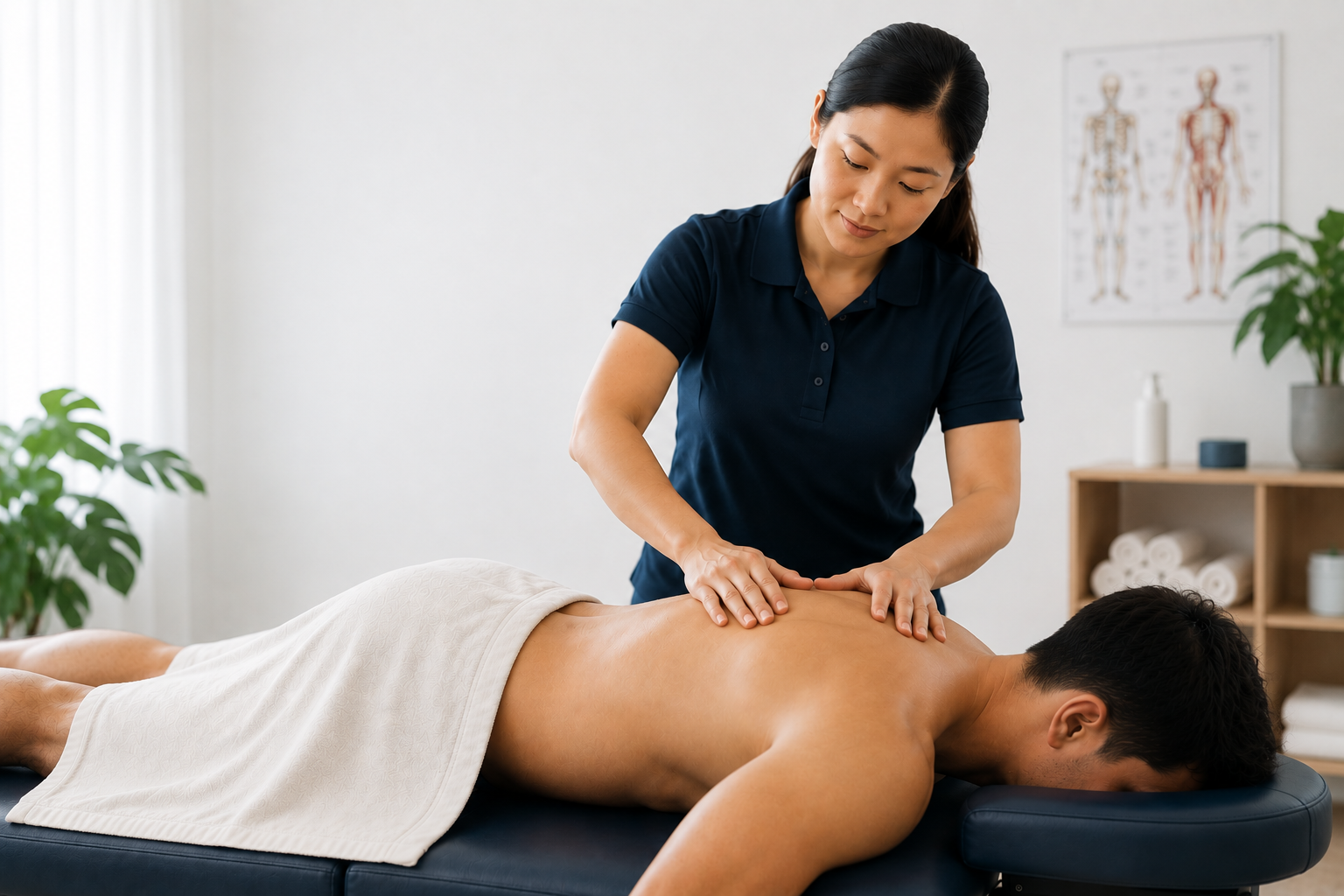
One of the first skills osteopaths learn is palpation. Palpation is the skill of using our hands to assess tissue tone, texture, quality and range of motion. A lot of my patients will often say to me “How do you always find where the sore bit is?” and my response is always the same, “It feels different”. This skill is incredibly important for specific and targeted treatment. We can feel when the tissue is dysfunctional and we can feel when it changes. How many times have you seen somebody for pain and left feeling like they just didn’t quite get the spot? Osteopaths are experts with their hands and most osteopaths heavily lean into hands-on treatment during their consultations to provide fast and effective hand-on relief.
Osteopaths, like chiropractors can adjust and manipulate joints.
Osteopaths are trained and approved to safely adjust all joints in the body including necks, backs, ribs and pelvises. An osteopath will assess your presentation and if it is safe and appropriate to do so, they will ask your consent to preform a joint adjustment.
Patients enjoy that an osteopath can preform joint adjustments but will also use other techniques such as massage, stretching, dry needling and joint mobilisation all in the one treatment. This means instead of needing to see a chiropractor and massage therapist, an Osteopath can target the muscles and joints in the one session.
Osteopathic consults also tend be a little longer. Return consultations at Elevate Osteopathy are 40mins whereas most chiropractic follow ups are closer 10-15mins.
Osteopaths can handle the hands-on for instant relief and lifestyle changes for longterm change.
Some of the feedback we get from patients is that when they see a physiotherapist, the main focus is on exercise and stretching. Physiotherapists do a phenomenal job diagnosing conditions and providing rehabilitation programs but sometimes patients don’t get any hands-on treatment at all.
Osteopaths combine this approach. They will often start with hands-on treatment to relieve symptoms quickly and in subsequent sessions discuss stretching, strengthening and lifestyle changes for long-term change whilst still making time for hands-on treatment..
Osteopaths will consult with other members of your healthcare team for a multidisciplinary approach.
Research shows that patients get the best outcomes with a multidisciplinary approach. Osteopaths will consult with your GP, physiotherapist, chiropractor, podiatrist and dentist to ensure that you get the best treatment outcomes. Osteopaths have the skills to accurately document and convey important details to all members of your healthcare team and ensure that they help you ask the right questions.
Most private health insurance covers osteopathic treatment.
Most private health insurance provided cover for osteopathic treatment depending on your policy. We use HICAPS terminals to process on the spot private health insurance claiming. Please contact your insurer direct to see if your cover includes osteopathy.
How do I book in?
If you’d like to try osteopathy, you can book in online today by clicking the button below. You don’t need a referral.